Understanding the Importance of Counterweights
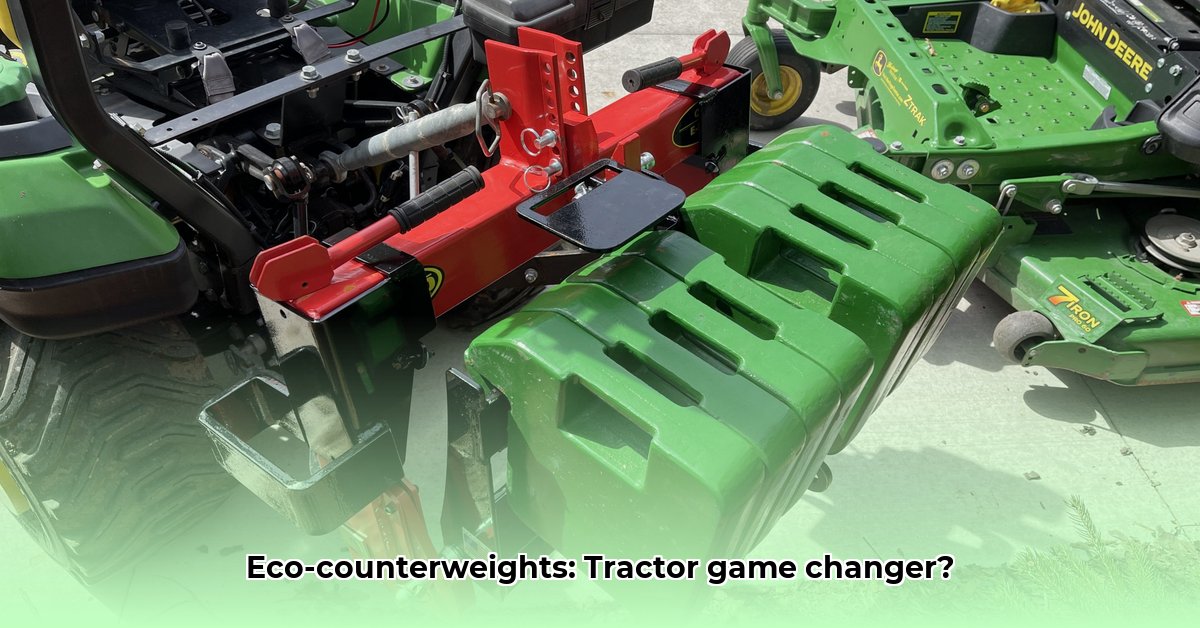
Maintaining tractor stability is crucial for safe and efficient operation. Counterweights, traditionally made of cast iron, balance the tractor, preventing rollovers, especially when using heavy equipment or working on inclines. However, the environmental impact of traditional cast iron counterweights is significant, prompting a search for more sustainable alternatives. Do these new materials provide the same level of durability and performance? This guide will address that vital question. Learn more about electric tractors and sustainable farming here.
Sustainable Alternatives for Tractor Counterweights
Fortunately, several eco-friendly alternatives to cast iron counterweights are emerging, offering both environmental benefits and potential cost savings. However, it's important to weigh the pros and cons of each option carefully.
Recycled Materials (e.g., concrete-filled drums): These offer a low-cost, readily available solution that reduces landfill waste. However, durability may be a concern, potentially leading to cracking or leaks over time. Their aesthetic appeal may also be less refined than commercially available options.
Specialized Sustainable Materials: These are specifically engineered for durability and longevity, promising a lower environmental impact over their lifespan. However, they often come with a higher initial cost and may have limited availability, depending on your location and supplier.
Building Your Own Eco-Friendly Counterweight: A DIY Guide
For those inclined to a hands-on approach, constructing your own counterweight from recycled materials is entirely possible. This section provides a step-by-step guide:
1. Material Gathering: Source a sturdy, clean 55-gallon drum (free of cracks and holes) and a high-quality concrete mix. Local recycling centers or businesses might be valuable sources.
2. Drum Preparation: Clean the drum thoroughly and inspect it for any defects. Preventative maintenance at this stage is crucial.
3. Concrete Mixing: Follow the concrete mix instructions precisely. Proper mixing is essential for the final product's strength and durability.
4. Drum Filling: Pour the concrete slowly into the drum, using a rod to eliminate air bubbles and ensure even settling. Allow for complete curing as per the manufacturer’s instructions.
5. Secure Attachment: Consult your tractor's manual for proper three-point hitch attachment. This step demands careful attention to safety guidelines.
Important Safety Note: Always wear appropriate safety equipment (gloves, safety glasses, sturdy boots). Improperly constructed counterweights can be hazardous.
Selecting Commercial Counterweights: A Buyer's Guide
If a DIY approach isn't feasible, several commercially available counterweights offer a convenient alternative. Key factors to consider include:
- Weight: Choose a counterweight appropriate for your tractor and equipment, consulting your tractor's manual for guidance.
- Material: Prioritize sustainable materials and look for environmental certifications (e.g., recycled content).
- Compatibility: Ensure a perfect fit with your tractor's three-point hitch system for stability and safety.
- Warranty: A strong warranty indicates the manufacturer's confidence in their product and its durability over time.
Conduct thorough research before purchasing, comparing prices, materials, warranties, and sustainability certifications to find the best fit for your needs and budget.
Installation and Maintenance: Ensuring Long-Term Performance
Proper installation and maintenance are critical to prolong the life of your counterweights, regardless of their material:
- Secure Installation: Follow your tractor's manual for safe and secure attachment to the three-point hitch system.
- Regular Inspection: Periodically check for cracks, damage, or loose connections, addressing issues early to prevent major problems.
- Protective Storage: Store your counterweights properly to shield them from the elements while not in use.
These practices safeguard your investment and minimize the need for premature replacements.
The Future of Sustainable Tractor Counterweights
The shift towards sustainable agriculture is accelerating, and innovation in counterweight materials is a vital component. However, further research is essential to fully assess the long-term performance and environmental impact of various sustainable materials. This includes rigorous testing under real-world conditions and comprehensive lifecycle assessments. Collaboration between farmers, manufacturers, and researchers is key to developing even more efficient and environmentally responsible options in the future. How can we further refine the lifecycle assessment methodologies for a more holistic approach to eco-friendly counterweights?
Key Takeaways:
- Tractor counterweights ensure stability and prevent accidents.
- Sustainable alternatives to cast iron exist, offering comparable performance and environmental advantages.
- DIY and commercial options allow farmers to choose the approach that best suits their needs and resources.
- Proper installation and regular maintenance maximize the lifespan and effectiveness of counterweights.